


Why the Future of Food is Written in Code: Surprising Truths About Crop Modeling
Imagine feeding 10.4 billion people while the planet gets hotter, drier, and more unpredictable. Sounds impossible? Not anymore. Scientists are no longer just planting seeds they’re writing code that predicts exactly how crops will grow decades from now.
Crop modeling is the silent hero rewriting the future of food. Here are 5 mind-blowing truths that prove the next harvest is being designed in a computer right now.

1. The 8 Billion Person Puzzle
We just hit 8 billion humans and we’re racing toward 10.4 billion. Climate change is throwing extreme heat, crazy weather, and new pests at us every season.
Crop models are like stress-test simulators for the entire planet’s dinner plate. They let scientists run “what-if” scenarios before the next drought even arrives. No guesswork just pure digital survival strategy.
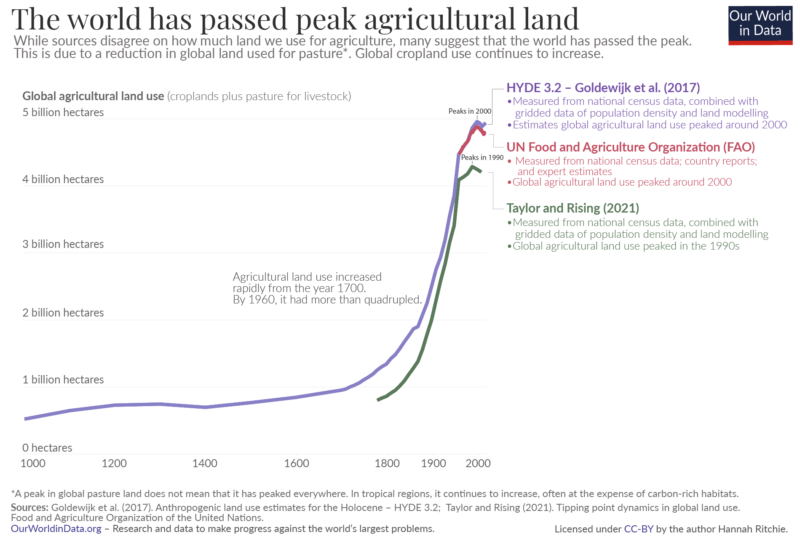
2. We’re Growing More Food on Less Land (And the Graphs Prove It)
Forget old fears that we’d run out of farmland. Between 1961 and 2018, agricultural land use actually peaked and started falling yet global food production kept skyrocketing!
This is the ultimate win for smart farming. Models show us exactly how to squeeze maximum yield from every square meter.

3. A Plant is Never Just a Plant — It’s a Whole Living System
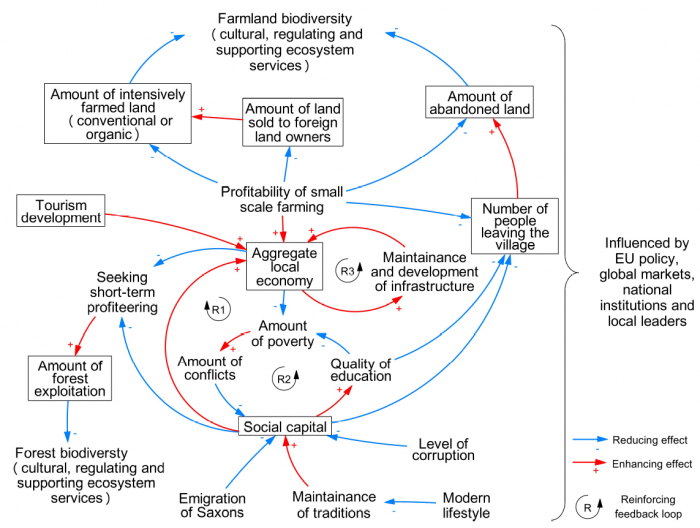
Top crop scientists use systems thinking. They see the farm as a giant network: soil microbes, pests, water, climate everything talks to everything else.
Change one tiny thing (like a soil bacterium) and the whole crop growth system can flip. Models map these invisible connections so we don’t get nasty surprises.
4. Models Don’t Predict the Future — They Create Better Decisions
Forget thinking of models as crystal balls. They are digital twins of real farms.
You can test 20 different fertilizer plans or irrigation strategies across 50 years of fake climate data in minutes without spending millions or waiting 20 years for real field trials. The real power? “What-if” superpowers.
5. Garbage In, Garbage Out Data Quality is Everything
Even the smartest model fails if the data is bad. Scientists use a Data Quality Pyramid to check:
- Precision – Is the data repeatable?
- Bias – Is it skewed?
- Representativeness – Does it actually match Sri Lankan or Brazilian fields?
- Completeness & Sensitivity – Will one wrong number crash the whole prediction?
Bad data = bad decisions. Good data = food security.

We’re Already Seeing the Stakes
In China, cane yields dropped 18% because of climate shifts. In Fiji, cyclones slashed sugarcane by 16–46%. Northeastern Brazil is struggling to even plant sugarcane as heat rises and Smut disease spreads.
Crop modeling isn’t just science it’s our best weapon to fight back.
The future of food isn’t written in soil. It’s written in code.
And the good news? That code is getting smarter every single day.
What do you think? Will technology save our plates or are we still too dependent on nature? Drop your thoughts in the comments............
The next global food crisis won’t be solved in a field . it will be solved in a simulation.
#FutureOfFood #CropModeling #AgriTech #ClimateSmartFarming #FoodSecurity
0 Comments